7 Affordable Sensory Bin Fillers for Elementary Classrooms (Teacher-Approved Ideas)
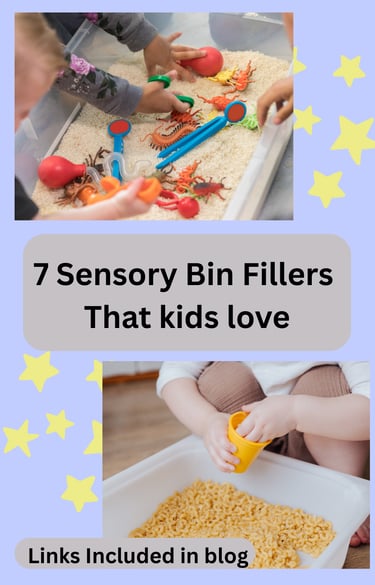
Looking for affordable sensory bin fillers for your elementary classroom? These 7 teacher-approved sensory bin ideas are perfect for sensory play, fine motor skills, and learning reinforcement. Includes easy Amazon supply links.
Christina Henderson
2/3/20263 min read

Why Sensory Bins are Essential in the Classroom
Creating a sensory-friendly environment in an early elementary classroom is not just a trend—it's a necessity! Sensory bins help engage young learners, boost their motor skills, and promote exploration and creativity. They can serve as a calming tool, allowing students to take a break from standard learning methods, which is fantastic for their emotional and cognitive development. I have another blog all bout the benefits of sensory tools in the classroom. You can find it here.
Find the Amazon links to all suggested products in the blog.
1. Rice
Uncooked rice is a classic sensory bin material! Its texture is both smooth and slightly crunchy, making it perfect for little hands. Just make sure to supervise the kids during play, as rice can scatter everywhere. This rainbow rice is perfect for sensory bins, and it's bright color just invites kids to play!
2. Beans
Dry beans come in a variety of colors, sizes, and textures, which can make sensory play educational as well! Encourage children to sort them by size or color, or let them scoop and pour them into different containers. Plus, beans are a great value, making them a fantastic choice for sensory bins. Here are some really good pre-colored beans.
3. Sand
Bringing the beach to your classroom can be a sandy delight! Kinetic sand, in particular, is perfect for sensory bins because it sticks together and can be molded. Children can build things while developing their fine motor skills—a win-win! For easy clean-up, you might want to use a bin with sides to keep the sand contained.
4. Water Beads
Water beads are super fun! They start as tiny pellets and expand into squishy, gel-like balls when soaked in water. They're great for tactile exploration and can add a colorful twist to your sensory bin. Just be careful, as they can pose a choking hazard for younger kids, so supervision is key!
5. Shredded Paper
Shredded paper is an eco-friendly option that can also be a brilliant sensory experience. Children can dig through it, hide small toys within it, or use it in art projects! Plus, you can easily recycle paper that’s no longer needed to make this filler. It’s an excellent choice for teaching about recycling!
6. Pom Poms
Puffy and colorful, pom poms can instantly brighten up any sensory bin! They come in various sizes and colors, encouraging children to sort and categorize them. They’re soft, easy to handle, and they can be used for numerous creative activities as well.
7. Scented Play Dough
Last but not least, consider adding scented play dough to your sensory bins. This not only stimulates touch but also engages the sense of smell! You can easily make your own or find premade options online. Remember to store any play dough properly after use to keep it fresh and ready for the next sensory adventure!
Conclusion
Incorporating sensory bins into your elementary classroom adds a multi-sensory experience that enhances learning while keeping it fun! With these seven fillers, you can easily create engaging and educational activities that keep your students excited and eager to learn. Check out the Amazon links for affordable sensory bin materials that can transform your class experience!
If you are also looking to add a calm down space in your classroom- You can check out this blog to help.
Don't forget to save the pin for future reference.

