The Benefits of Sensory Tools in the Classroom: Boost Focus and Learning for Second Graders
Discover how sensory tools can improve focus, behavior, and engagement in your second grade classroom. Learn practical tips for incorporating sensory tools, plus our top recommended fidgets, stress balls, and hands-on resources to help your students succeed.
Christina Henderson
2/24/20262 min read
The Benefits of Sensory Tools in the Classroom
Creating an environment where second graders can focus, stay calm, and actively participate can be challenging. Some students benefit from sensory tools—hands-on items that help them regulate their energy, emotions, and attention. Incorporating these tools into your classroom can improve behavior, increase engagement, and create a more inclusive learning environment. You can find affiliate links included in this blog.
What Are Sensory Tools?
Sensory tools are items students can manipulate to help focus their energy and support learning. Examples include:
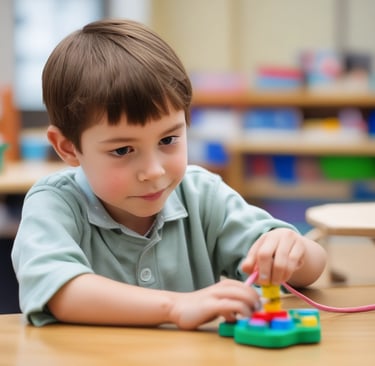
Fidget spinners and cubes- These cubes have a lot of options for kids to use. As a bonus they are small and fit in a desk.
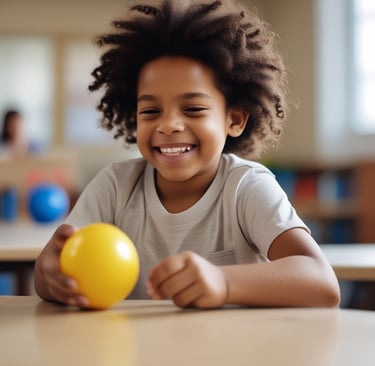
Stress balls or squishy toys-Love the variety of these squishy stress balls
Putty or slime-The color of these putties are the perfect color for my classroom!
Textured pencil grips-This is a variety pack of pencil grips with different textures
These tools allow students to stimulate their senses in a controlled way, which can help them feel calm and ready to learn.
Benefits of Sensory Tools in the Classroom
When students have a way to release excess energy or tactile stimulation, they are more likely to stay on task during lessons. Simple tools like stress balls or fidget cubes provide a small outlet without distracting the class.
2. Reduces Anxiety and Frustration
Second graders may feel overwhelmed with new concepts or classroom routines. Sensory tools provide a calming effect, helping students manage emotions before they escalate.
3. Supports Kinesthetic and Tactile Learners
Not all students learn best by sitting quietly at a desk. Hands-on sensory tools allow active engagement, which is especially helpful for students who need movement to process information.
4. Encourages Independence
When students know they can reach for a sensory tool when needed, they learn self-regulation strategies, making them less reliant on teacher intervention.
5. Enhances Classroom Inclusivity
Sensory tools benefit a wide range of students, including those with ADHD, anxiety, or sensory processing differences. Providing access to these tools helps create a classroom where every child can succeed.
Practical Tips for Using Sensory Tools
Set Clear Expectations: Explain when and how sensory tools should be used.
Create a Sensory Station: Have a dedicated area with accessible tools for students who need them.
Rotate Tools: Introduce new fidgets or textures periodically to keep engagement high.
Observe and Adjust: Some tools work better for certain students—pay attention to which ones improve focus and participation.